


Welcome to Vlast! This time, we do a deep dive on Russia’s September parliamentary elections, the first since the full-scale invasion of Ukraine, and look at the Kremlin’s response to gasoline shortages, which has been a lot like its response to COVID-19.
We also spotlight police raids seeking military recruits, and a surprisingly frank assessment of Russia’s defense sector from a government minister.
⏳This newsletter contains 2,172 words and will take approximately 11 minutes to read. It was translated and edited by Howard Amos.
Everything you need to know about the State Duma vote
Campaigning is already well underway for Russia’s parliamentary elections, which are scheduled to take place over three days beginning on September 18.
Why do these elections matter?
Over the last quarter of a century, President Vladimir Putin has gradually turned Russian elections into an administrative procedure. The elimination of political competition, massive fraud, and a slavishly subservient media means that elections are now a ritual reaffirming the dominance of the regime. The upcoming parliamentary elections will be no different.
At the same time, it’s significant that Putin has never scrapped elections altogether. In other words, the Kremlin believes they are an important source of legitimacy. And this means they remain a significant political event. The authorities want to ensure that as many people as possible vote for the ruling United Russia party—and the campaigning ahead of election day is a period of heightened nerves, and possible political instability.
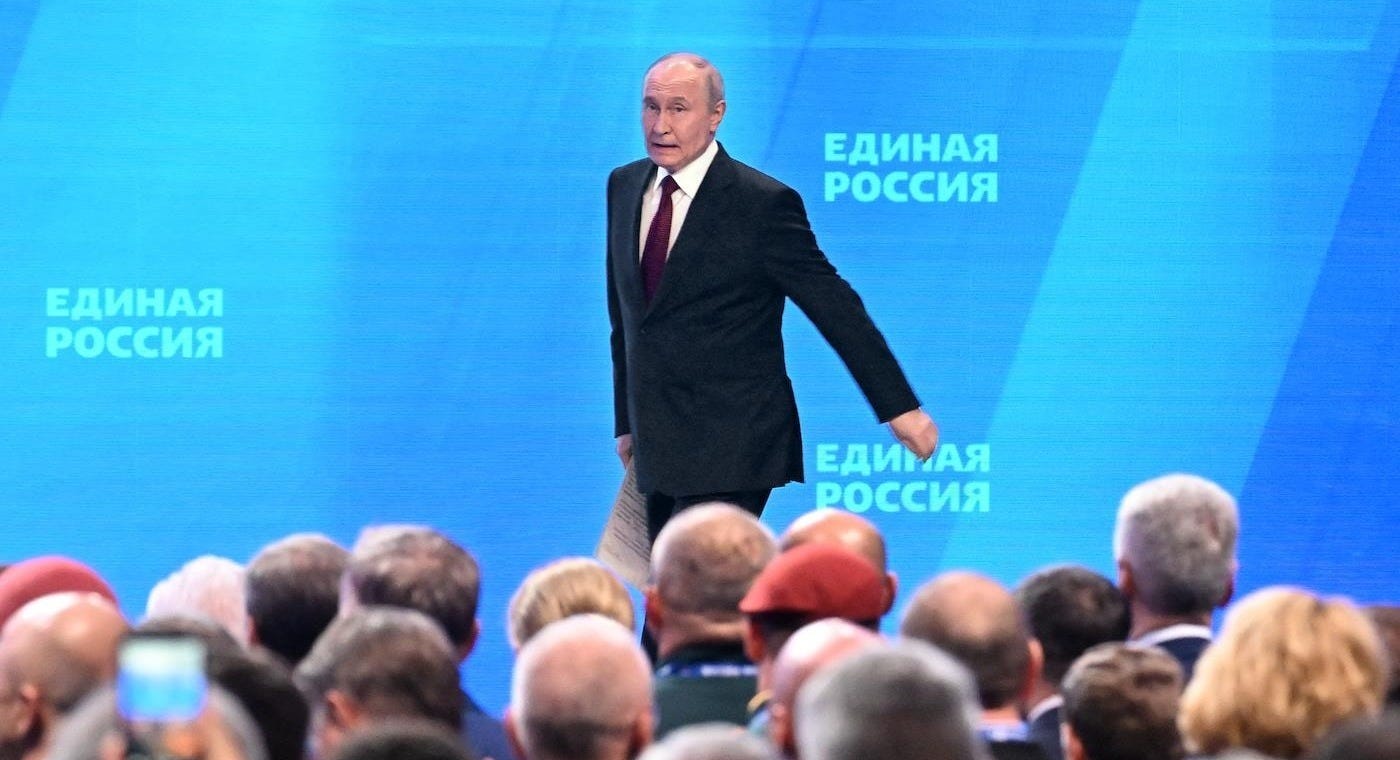
What is the Kremlin’s plan?
If you asked an average Russian, you might find they didn’t know about the elections. State-owned television channels have hardly mentioned the campaign (although it has been underway for almost a month). This is no accident. The Kremlin’s political managers have clearly decided on a subdued approach, and will seek to depress voter turnout as much as possible. Instead, they will rely on an electorate that can be counted on to support United Russia—public-sector employees.
The decision to run such a “boring” campaign is evident not only in media coverage (or its absence) but the field of candidates. None of the party lists include any colorful figures who might be capable of generating some public interest.
In recent months, the Kremlin has been helping United Russia shed its image as the party responsible for repressive laws, and unpopular restrictions. The current State Duma—where United Russia holds a majority—has paused its years-long legislative crackdown, and party members have been avoiding drawing attention to themselves.
It’s clear that the Kremlin has ordered all of Russia’s main political parties not to discuss the political hot potato of the gasoline shortages caused by Ukrainian drone strikes. No one debates it; no one says the decision to go to war might be the reason for the shortages; no one criticizes Putin or the government; and no one puts forward solutions.
What about the opposition?
Political opposition in Russia is almost non-existent, and the number of independent candidates running in these elections is the lowest in ten years. The so-called “systemic opposition,” which is ultimately loyal to the Kremlin, is unlikely to produce any surprises. The Communist Party provided some genuine opposition in the 2021 parliamentary elections, but this resulted in a wave of pressure from the security services. Since then, the party has kept quiet, and ceded key districts to United Russia.
The only Russian political party openly opposed to the war—Yabloko—has faced an escalating crackdown since last year. Party members have been prosecuted over social media posts, and fined under laws prohibiting the “display of extremist symbols” (a conviction under this article bars you from running for office). All of Yabloko’s best-known politicians are now either under arrest, or unable to stand for election.
Yabloko has not modified its tone and is currently using the election slogan “For Peace and Freedom.” As a result, it’s extremely unlikely the party will even be allowed onto the ballot (a final decision is expected next week). The Kremlin clearly believes there is a risk that public unhappiness over the war could result in Yabloko winning votes.
Will there be any surprises?