

Hello and welcome to Vlast! This time we look at how the Kremlin threw significant resources at easing gasoline shortages caused by Ukrainian drone attacks on refineries—and seems to have been successful.
We also briefly look at why the Kremlin decided to allow Yabloko, Russia’s only anti-war party, to take part in parliamentary elections, a law that could make some political exiles stateless, and the designation of Telegram founder Pavel Durov as a terrorist.
Please note that we are going to take a short summer break this month—the next Vlast newsletter will arrive in your inboxes on August 28. In the meantime, if you’re looking for holiday reading, we recommend ‘Russia Starts Here,’ the non-fiction book by our editor Howard Amos that was published in paperback this week. It’s a compelling, bottom-up look at Putin’s Russia that explores the roots of authoritarianism and the war in Ukraine.
⏳ This newsletter contains 1925 words and will take approximately 10 minutes to read.
The 5 reasons Russians are no longer waiting in line for gas
The Kremlin appears to have succeeded this week in easing a national gasoline shortage that had caused significant public anger. Fuel-monitoring services have reported growing availability at gas stations in recent days, with many local governments lifting rationing.
The long lines of cars and trucks at gas stations that became a feature of life in Russia for several weeks began to disappear in Moscow and St. Petersburg in the middle of July, and are now a rarity. Most gas stations once again stock diesel, as well as the most popular grades of gasoline—including premium fuel. Deputy Prime Minister Alexander Novak has said repeatedly in recent days that the situation has stabilized.
While the long-term effects of the shortages continue to cause problems for the Russian economy, an end to the acute phase of the crisis is welcome for the Kremlin—which directed considerable resources to resolving the problem, apparently fearful that war fatigue and anger over a lack of gasoline could become a toxic combination.
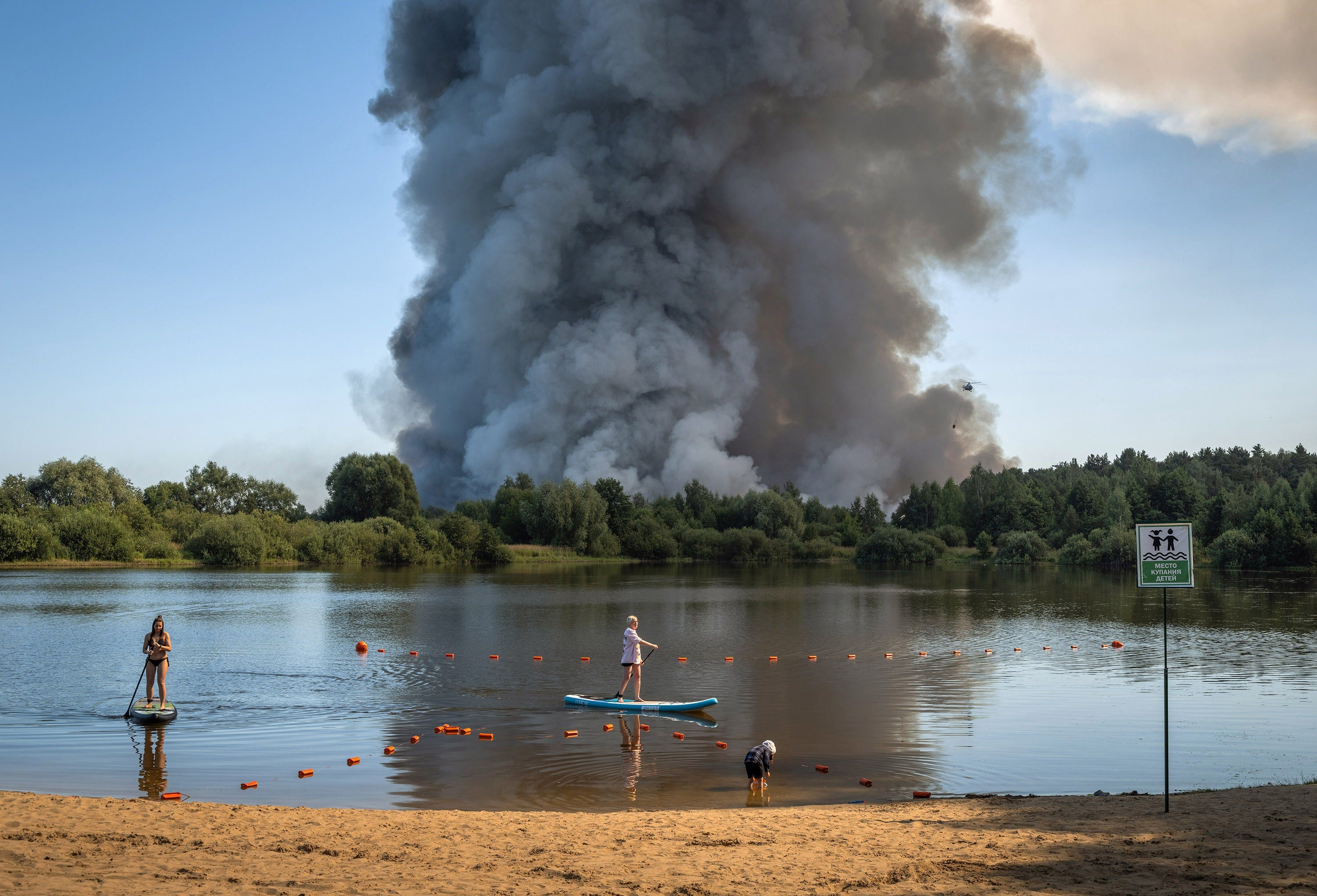
Gasoline shortfalls were first felt in the occupied region of Crimea in May before spreading across European Russia, and eventually reaching Siberia and the Far East. For weeks, there were long lines at gas stations, and complaints from businesses—particularly in the agricultural sector—that they could not get fuel. Reporting of the situation sometimes veered toward the apocalyptic, with CNN proclaiming “Russia is burning,” and the New York Times that the crisis had “shattered” an “illusion of normalcy.”
Fuel production likely hit its lowest point in early July following a string of Ukrainian drone attacks on oil refineries, according to Sergei Vakulenko, a senior fellow at the Carnegie Russia Eurasia Center, with daily output falling by as much as a third to 3.3 million barrels. Since then, production has bounced back, and is likely now over 4 million barrels a day.
Was the Kremlin responsible for this recovery? If so, what did Russian officials do? Answering these sorts of questions is difficult as much of the relevant data (like gasoline production figures) is classified, while official statements are vague. Nevertheless, using publicly available information and conversations with sources close to the Russian government, we have identified the five most important factors.
1. Fewer Ukrainian drones are hitting Russian refineries