


Hello and welcome to Vlast! This time, we focus on the Kremlin’s strategy for next week’s parliamentary elections.
We also analyze why the Kremlin is forcing companies to fund air defense; a 100,000-strong Orthodox religious procession in Moscow; and the closure of the Goethe-Institut in Russia amid deteriorating relations with Berlin.
⏳ This newsletter contains 1,826 words and will take about 10 minutes to read.
Why parliamentary elections resemble presidential elections
Russia’s parliamentary elections next week look set to be the most uneventful in the country’s modern history. Candidates are not campaigning, the major political parties are silent, and there is no criticism of the authorities. The only visible politician is President Vladimir Putin. Notably, the most prominent news story in recent weeks in state-owned media has been speculation about whether a concert by rapper Kanye West will take place in St. Petersburg.
Of course, in Russia’s closely controlled public politics, a lack of drama is no accident. It’s deliberate. The Kremlin believes that suppressing voter turnout by minimizing coverage and campaigning is the best way to increase support for the ruling United Russia party. Particularly given that the war in Ukraine means there is no cash for populist pre-election handouts.
It’s possible that candidates may become more visible in the final week of campaigning (the vote takes place over three days from September 18), but this will not alter the dynamic. After the authorities last month barred the liberal, anti-war Yabloko party from participating, there has been no debate or controversy. Politics has disappeared from the airwaves.
Many candidates do not attend pre-election debates, with empty studios becoming a social media meme. It’s obvious that none of the parties taking part in the elections are trying to attract attention: they do not criticize the authorities, and refrain from discussing topical issues. Televised campaign ads tend to be cheap, make heavy use of AI, and be devoid of substance. None of the parties that are—at least on paper—competing against United Russia have funded their candidates in single-mandate districts.
At the same time, United Russia, which traditionally absorbs public anger directed at the authorities, is pretending it does not exist. The main public figures representing the party in these elections—Foreign Minister Sergei Lavrov, Moscow Mayor Sergei Sobyanin, war correspondent Yevgeny Poddubny, Children’s Rights Commissioner Maria Lvova-Belova, and Ukraine war veteran Vladislav Golovin—have each given one interview to state-owned TASS. That essentially marks the extent of United Russia’s campaign.
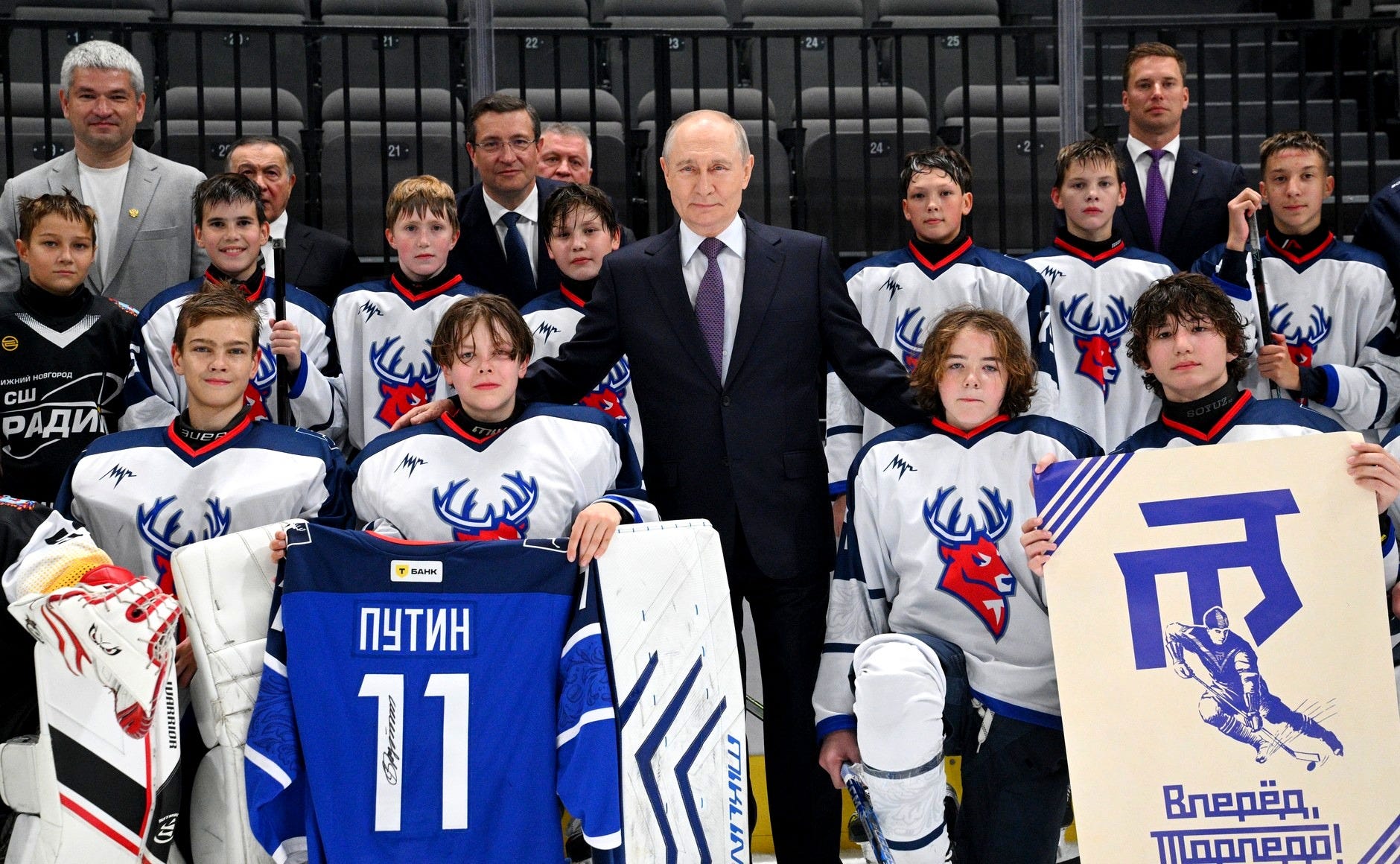
Instead, the only political figure visible to voters in recent weeks has been Putin. The result is that parliamentary elections have begun to look a lot like presidential elections—again, a deliberate Kremlin strategy.
On state-owned television, Putin has been doing most of the campaigning for United Russia. Putin has always been involved in boosting support for United Russia, and he “shares” his approval rating with the party. But the absence of United Russia and its candidates in these elections have made his involvement particularly glaring.
In his campaigning, Putin appears to have been aiming to reassure people on key issues. Last week, he twice dismissed the possibility of another imminent round of mobilization. He also said the government would not be confiscating the bank deposits of ordinary people—another major worry for Russians. Data published by Kremlin polling organization FOM on Thursday showed that general anxiety levels have fallen almost 10 percentage points from a multi-year high at the end of July, perhaps as a result of Putin’s interventions.